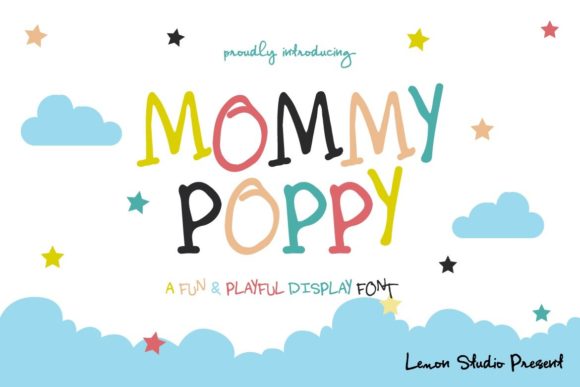
Mommy Poppy: A Playful Font That Elevates Small Business Branding
Refreshing a Café Menu with a Handwritten Touch
Last month, I helped a local café update their weekend brunch menu. They wanted something that felt more inviting and reflected their cozy, family-friendly vibe. After testing a few options, we landed on Mommy Poppy — a handwritten script font with a cheerful personality. The result? A menu that looked like it was crafted with care, not just printed from a template.
Mommy Poppy has a whimsical charm that immediately caught the eye of customers. It’s not overly formal, but it’s not sloppy either. The font walks a perfect line between playful and professional — ideal for businesses that want to feel approachable without sacrificing polish.
Why Mommy Poppy Works for Branding
As a creative consultant, I often see small businesses underestimate the power of typography. A well-chosen font like Mommy Poppy can do more than just look nice — it can shape how customers perceive your brand. This font, part of the Script Amp category, brings a sense of warmth and personality to any design.
Its style is clearly inspired by children’s handwriting, but with enough refinement to work for grown-up branding. It’s perfect for businesses in the kids’ space, bakeries, lifestyle brands, or any brand that wants to feel friendly and genuine. Whether used on product packaging, social media posts, or thank-you cards, Mommy Poppy adds a handcrafted feel that resonates with real people.
Real-World Uses for Mommy Poppy
I recently worked with a candle maker who wanted to refresh her label design. She sells soy candles in pastel colors and wanted the packaging to reflect that soft, natural aesthetic. We used Mommy Poppy for the product name and a clean sans serif for the ingredients and care instructions.
The contrast worked beautifully. The handwritten font gave the label a personal, boutique feel, while the supporting text kept it readable and professional. Customers responded positively, commenting that the labels looked “cute” and “thoughtful.”
Other great applications include:
- Café menu headers
- Bakery packaging tags
- Skincare product labels
- Instagram story titles
- Handmade soap wrappers
- Thank-you notes and greeting cards
Readability and Design Tips
While Mommy Poppy is a standout font, it’s best used in short bursts — like headlines, logos, or decorative accents. It’s not ideal for long paragraphs or body text. For printed packaging or small labels, I recommend using it at a larger size to maintain clarity.
On digital platforms like Instagram or website banners, this font shines when used for short phrases or brand names. It’s also smart to pair it with a simple, clean font to balance the playful style. A modern sans serif like Montserrat or Lato works especially well as a supporting typeface.
If you’re designing for mobile screens or small product tags, always preview the font at actual size. What looks good on your screen might be hard to read on a 2-inch label or a phone thumbnail.
Font Pairing Ideas for Business Owners
One of the most important aspects of brand design is consistency. That includes how your fonts work together. Here are a few pairings I’ve used successfully with Mommy Poppy:
- Mommy Poppy + Montserrat – Great for boutique packaging and digital ads
- Mommy Poppy + Playfair Display – Perfect for elegant branding like candle labels or skincare
- Mommy Poppy + Open Sans – A soft, readable combo for café menus and bakery boxes
- Mommy Poppy + another script font – Use sparingly for playful, whimsical designs like kids’ product tags
These combinations help create a visual hierarchy while keeping your brand voice consistent. The key is to let Mommy Poppy shine as the focal point without overwhelming the design.
What to Check Before Using Mommy Poppy
Before using any font in your business materials, it’s important to verify what’s included in your purchase. Mommy Poppy is a commercial font, which means it’s safe to use in branding, packaging, and marketing — but always double-check the license terms.
Make sure the font package includes a range of weights, alternates, and ligatures if you need them. Also, confirm that it supports multilingual characters if your brand communicates in more than one language. Most importantly, test the font across different platforms — from printed packaging to web banners — to ensure it renders well everywhere.