Bold Pastel: A Timeless Handwritten Font for Scroll-Stopping Brand Content
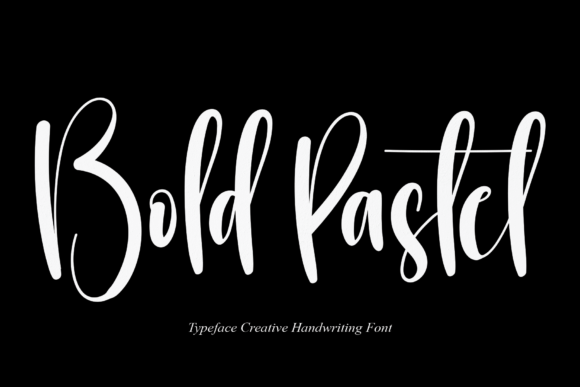
Bold Pastel is a modern script font that blends elegance with approachability. As a Script Amp typeface, it carries the warmth of handwriting while maintaining the clarity needed for digital marketing. Its bold structure and soft pastel-inspired weight make it ideal for headlines, logo marks, and visual accents that need to stand out without overwhelming the viewer.
Why Bold Pastel Works for Social Media and Digital Campaigns
In fast-scrolling feeds, first impressions matter. Bold Pastel’s high contrast and clean curves help text pop in thumbnails, reels covers, and Instagram stories. Whether announcing a product launch or sharing a motivational quote, this handwritten font adds personality while keeping the message legible. Designers can use it confidently in YouTube thumbnails, Pinterest pins, and email headers where clarity and charm must coexist.
Creating Visual Hierarchy with Bold Pastel
Visual hierarchy isn’t just about size—it’s about style. Bold Pastel’s strong presence makes it perfect for main headlines and callouts. Paired with a clean sans serif font like Helvetica or Montserrat, it creates a balanced contrast that guides the viewer’s eye naturally. This combination works especially well in landing pages, web banners, and digital ads where message clarity and brand tone are equally important.
How Bold Pastel Builds Brand Recognition
Consistency in typography strengthens brand identity. Bold Pastel’s unique letterforms are instantly recognizable, making it a smart choice for logo design, packaging design, and branded templates. When used across multiple touchpoints—from social posts to email footers—it reinforces brand recall. For personal brands, content creators, and small businesses, this font becomes a visual signature that audiences can associate with quality and creativity.
Best Use Cases for Bold Pastel in Marketing
- Sale announcements: Use Bold Pastel in a limited-time offer graphic to draw attention and convey urgency with a touch of elegance.
- Product teasers: Add intrigue to a campaign with a bold, handwritten reveal headline that feels personal yet polished.
- Inspirational quote graphics: Perfect for motivational content on Instagram and Pinterest, where emotional appeal meets readability.
- Webinar banners: Combine with a sans serif for speaker names and event details to create a professional yet inviting look.
- Content series headers: Maintain a cohesive visual theme across blog headers, video titles, and podcast thumbnails.
Readability Tips for Mobile and Small Screens
Mobile-first design means choosing fonts that remain legible at smaller sizes. While Bold Pastel is a display font best suited for headlines and accents, it holds up well in preview cards, reels covers, and story stickers when used at appropriate sizes. Avoid using it for long paragraphs or small captions. Instead, let it shine in titles, logo marks, and key messages that need visual impact without sacrificing clarity.
Font Pairing Strategies for Bold Pastel
Successful design is all about balance. Pair Bold Pastel with a clean sans serif like Open Sans or Lato for subheadings and body text to maintain readability. For a more editorial or luxury feel, combine it with a serif font like Playfair Display. These combinations work well in landing pages, brand guidelines, and print-to-digital campaigns where tone and hierarchy need to align with brand messaging.
When to Use Bold Pastel and When to Step Back
Bold Pastel excels in short, impactful text—think headlines, call-to-action buttons, logo marks, and decorative accents. It’s not ideal for body copy or long-form content. Use it where visual impact matters most: social media graphics, digital ads, packaging labels, and branding materials. For digital marketers and content creators, this font is a go-to for anything that needs to catch attention in under three seconds.
Licensing Considerations for Commercial Use
Before using Bold Pastel in client work, ads, or digital products, always review the commercial licensing terms. Many premium fonts require specific usage rights for branded templates, merchandise, or large-scale campaigns. Confirming permissions ensures your creative work remains legally protected and professionally credible.